
Engineering community meets Archetypes Alex and Doris
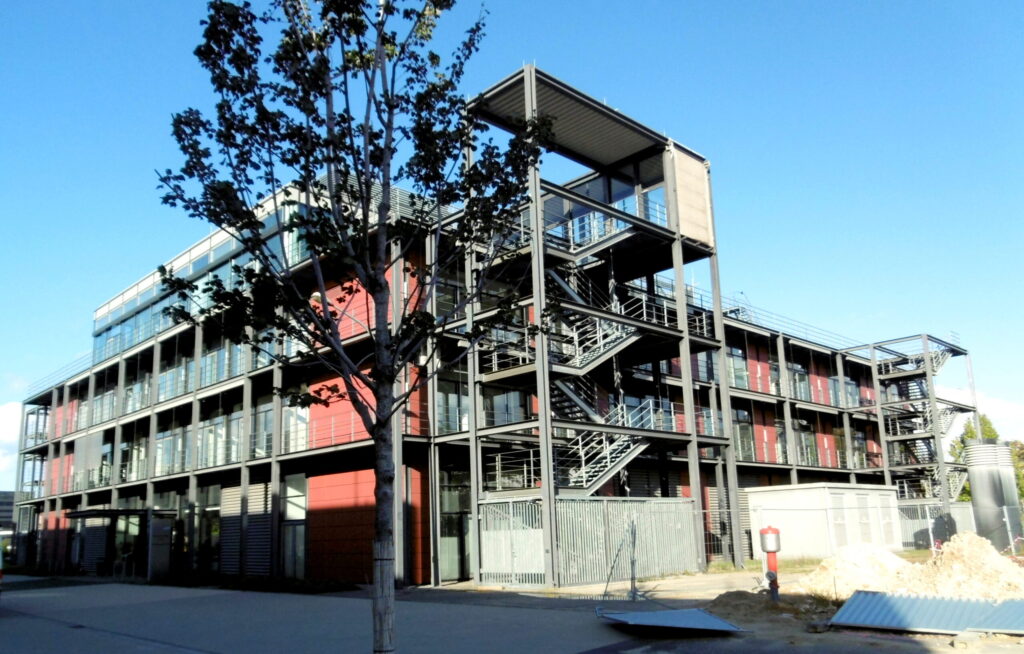
This year’s joint Community Meeting of Alex and Doris focused on the topic “Best Practices of RDM in Thermal and Process Engineering”.

This year’s joint Community Meeting of Alex and Doris focused on the topic “Best Practices of RDM in Thermal and Process Engineering”.

We incorporated comments and feedback from the NFDI4ING community into this updated version to better support data management planning and make use of new features in RDMO.

We are pleased to announce the first stable 1.0 release of the open source virtual research environment Kadi4Mat. This version marks the culmination of several years of work and improvements since the initial release of Kadi4Mat and also includes the first stable version of its application programming interface.

We are once again looking for researchers in the engineering sciences to share with us their experiences and needs for handling research data.

The Terminology Service provides a consolidated single-access point for human and machine users for processing terminologies and semantic models in research data management.

Alex’ Knowledge Base offers a clear and practical entry point into the work of the NFDI4ING task area addressing challenges connected to one-of-a-kind, highly-variable experiments. It not only showcases the developed tools and services but also provides helpful guides and workflow recommendations. It’s a useful starting point for researchers fitting the Archetype Alex looking for support in navigating their research data management tasks.

SM4RO-C specifies how to use SciMesh graphs in RO-Crates to describe raw research data. It enables sharing research results (raw data, intermediate data, and workflows) in one package.

SciMesh is a knowledge graph schema that models scientific workflows and insights through cause-effect relationships, supporting research publishing, data exchange, and documentation.
The Research Data Management Organiser (RDMO) offers structured questionnaires with detailed guidance, enabling efficient and comprehensive data management planning for research projects.

The Open Research Knowledge Graph (ORKG) helps researchers find, compare, and reuse scientific findings efficiently.