
Engineering community meets Archetype Caden
The first NFDI4Ing Community Meeting in 2025 is takes place on January 16th, 2025. We will present and discuss common problems and solutions concerning our Archetype Caden.

The first NFDI4Ing Community Meeting in 2025 is takes place on January 16th, 2025. We will present and discuss common problems and solutions concerning our Archetype Caden.
Your feedback is important for the development of research data management in engineering. The ‘NFDI4ING Community Survey 2024’ has started!
ing.grid, the OA journal for FAIR data management in engineering, made some big steps in 2024. The journal was shortlisted for the first-ever Enter Open Access Award, completed the first two issues, and is looking to grow further.
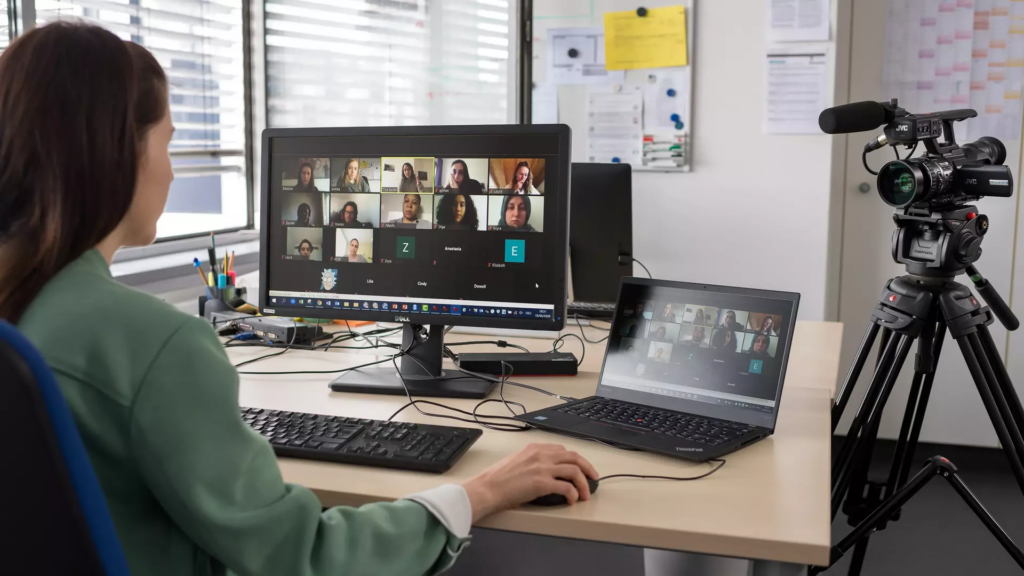
NFDI4Ing’s archetype focused on HPC – Doris – demonstrates how, through NFDI4Ing and its framework, both local and global training and education initiatives can be implemented to effectively promote RDM awareness.
The annual NFDI4Ing survey on the state of research data management in engineering is entering its fourth round. Here we present insights based on recent results and invite you to take part! The 4th round is open until 31 December.

The latest release of the Metadata4Ing (m4i) ontology facilitates the usage within RO-Crates and the modelling of physical quantities and data sets. The ontology can be used to document engineering research processes in a machine-readable way.

This year’s joint Community Meeting of Alex and Doris focused on the topic “Best Practices of RDM in Thermal and Process Engineering”.

We are pleased to announce the first stable 1.0 release of the open source virtual research environment Kadi4Mat. This version marks the culmination of several years of work and improvements since the initial release of Kadi4Mat and also includes the first stable version of its application programming interface.
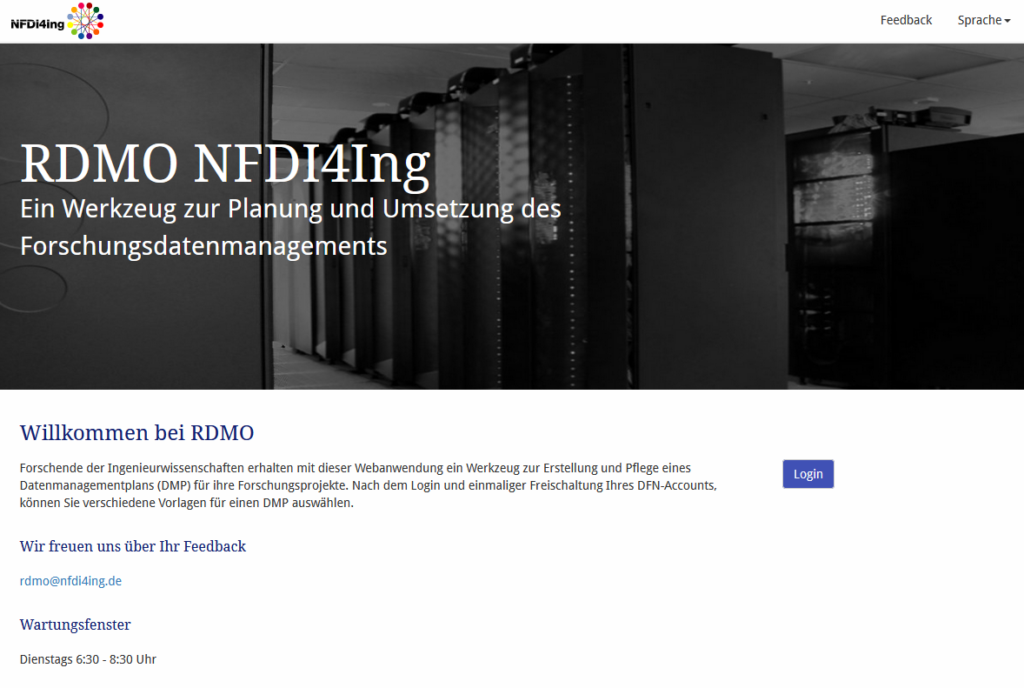
We incorporated comments and feedback from the NFDI4ING community into this updated version to better support data management planning and make use of new features in RDMO.
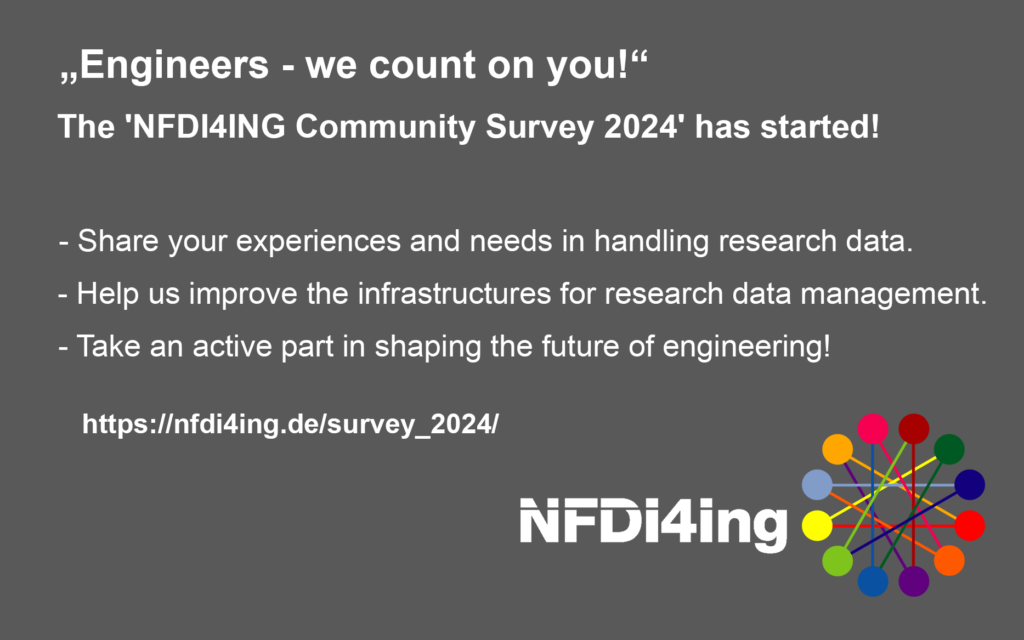
We are once again looking for researchers in the engineering sciences to share with us their experiences and needs for handling research data.