
Metadata Profile Service
NFDI4ING’s Metadata Profile Service assists the community in creating and sharing subject-specific metadata profiles that support FAIR and interoperable research data.

NFDI4ING’s Metadata Profile Service assists the community in creating and sharing subject-specific metadata profiles that support FAIR and interoperable research data.

From stained glass to data models: “Windows on Data” brings together consortia across the NFDI to explore how heterogeneous research data can work seamlessly together.
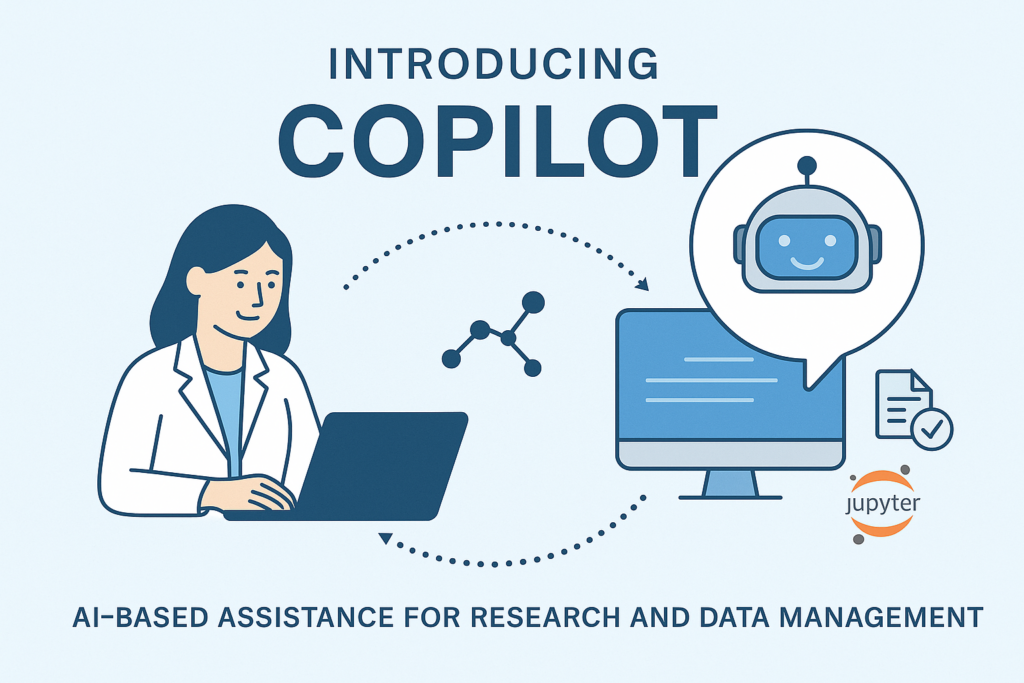
NFDI4ING launches “Copilot,” a new AI-driven task area that enhances research data management and software engineering through chat-based support, improved JupyterHub tools, and integrated generative AI.
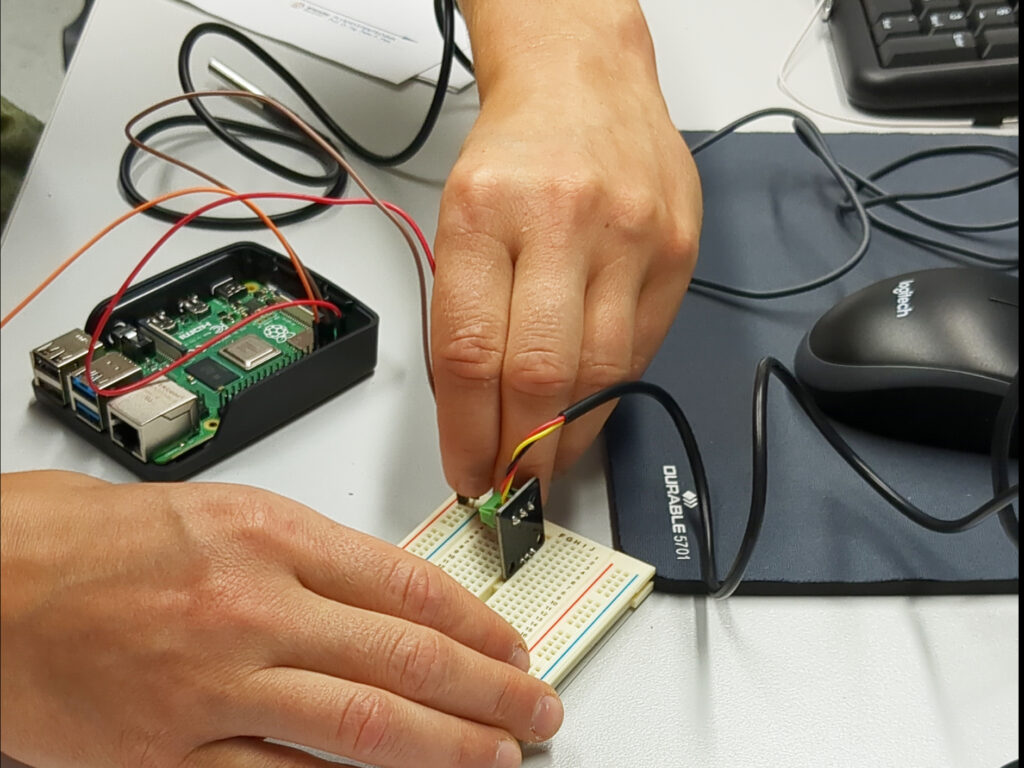
NFDI4ING strengthens data literacy from day one: a digitalization lab course from TU Darmstadt inspires other universities to integrate research data management into engineering education.
The NFDI4ING Conference 2025 brought our community together in Darmstadt – now we look ahead to a joint NFDI4ING & NFDI4Cat event in Frankfurt, set to spark new synergies in FAIR data and digital research.

At the most recent NFDI4ING Community Meeting on 29 April, engineering researchers discussed new software solutions in research software engineering.
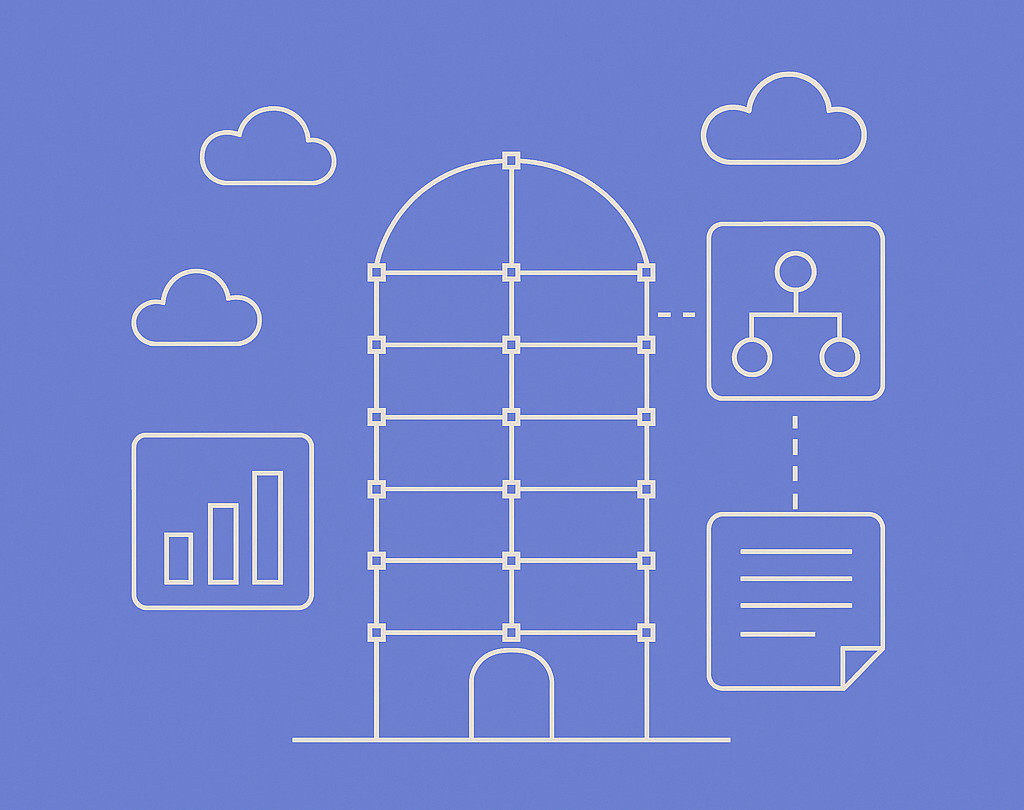
Valuable research findings often remain hidden in so-called ‘information silos’. NFDI4ING introduces a common information model (CIM) to standardise the handling of research data.

From 26-28 August, the second Conference on Research Data Infrastructures (CoRDI) takes place in Aachen. To make research data management more accessible in engineering, NFDI4ING offers grants to cover the CoRDI 2025 conference fee.

At the E-Science Days 2025 in Heidelberg (March 12-14), NFDI4ING presented multiple services and initiatives. In this post, we look back on those presentations and share all related materials.
At the ICMMTS conference, CRC MARIE and NFDI4ING experts discussed creating a public terahertz (THz) database to advance THz research. However, establishing a public THz database is not without its challenges.